Capturing the Pulse: The Art of Convention Photography

A busy trade show floor with many attendees walking and browsing white display booths. A large circular overhead sign reads “CAFE” in blue letters, glowing with a red inner rim. The scene is well-lit with ceiling lights and various displays and people engaging in conversations.

Capturing the Pulse: The Strategy Behind Convention Photography

The lights dim, the music swells, and thousands of attendees shift in their seats, eyes fixed on the center stage. For a regular attendee, this is the start of a keynote. For a professional convention photographer, this is the culmination of weeks of preparation, a test of technical precision, and a high-stakes moment where there is no “take two.”

Capturing the energy and scale of a major industry event requires far more than a high-end camera and a press pass. It demands a unique blend of endurance, strategic foresight, and the ability to be everywhere at once while remaining virtually invisible. Whether it is a medical conference, a trade show, or a corporate gala, the goal remains the same: to document not just who was there, but the atmosphere, the engagement, and the pivotal moments that define a brand.

Understanding the comprehensive process behind these shots reveals why professional convention photography is an art form in its own right. It is a discipline that combines logistical mastery with creative vision, ensuring that every handshake, keynote speech, and breakout session is preserved with clarity and impact.

The Foundation: Pre-Event Strategy and Logistics

Great convention photography begins long before the first attendee arrives at the registration desk. The difference between a good photo and a great asset library lies in the planning phase. Professional photographers must align completely with the client’s vision. We listen to your needs because understanding the specific goals of the meeting—whether it is boosting membership, marketing for next year, or social media engagement—dictates how we shoot.

This phase involves studying the run of show with forensic attention to detail. We identify key VIPs, understand the lighting limitations of the venue, and map out the flow of traffic. If a client needs a headshot station setup or onsite printing services, these logistics are solidified well in advance.

Preparation also extends to equipment. In the vast, often dimly lit exhibit halls of convention centers, standard gear often falls short. Professionals arrive with fast lenses capable of handling low light, redundant backup systems to ensure no data is ever lost, and the specific lighting tools required to make a CEO look their best on stage. We are always early, ensuring that when your team is ready, we are already in position.

Navigating the Floor: Endurance Meets Precision

Once the event begins, the photographer becomes a visual historian operating in real-time. A typical convention day involves walking miles of trade show floors, moving quickly between breakout sessions, and standing for hours to get the perfect angle of a speaker.

The Keynote Address

Photographing a keynote speaker is a technical balancing act. The stage lighting can change instantly, shifting from bright spotlights to moody gels. A professional must adjust exposure settings instinctively, capturing the speaker’s gestures and expressions without the distraction of a flash. The objective is to capture the authority and charisma of the speaker while also getting the reaction shots of the audience that show engagement.A female speaker stands on stage holding a microphone, delivering a talk with a blue and purple radial burst background and a circular 7x24 Exchange logo

The Trade Show Floor

The exhibit hall presents a different challenge: clutter. With hundreds of booths, signage, and moving people, finding a clean, compelling image takes a trained eye. We look for genuine interactions—a handshake over a new product, a demonstration drawing a crowd, or colleagues reconnecting. These are the “money shots” that demonstrate the value of the convention to future exhibitors and attendees.A busy trade show floor with numerous exhibitor booths. Prominent signs read “MOHAWK,” “POWERHOUSE,” and “AMERICAN OLEAN,” with attendees browsing displays and chatting

The “Stealth” Factor

Despite the heavy equipment and the constant movement, a hallmark of a true professional is invisibility. We dress to blend in—typically in black slacks and polos—and move with the flow of the event. We never eat or drink in attendee areas, and we ensure we never obstruct a guest’s view. Your vision is our vision, and that includes maintaining the professional atmosphere of your event.

Adapting to Venues Across North America

Every city and venue offers a unique backdrop and set of challenges. An experienced convention photography team must be adaptable, capable of delivering consistent quality whether the event is in a sun-drenched atrium or a windowless ballroom.

We bring our expertise to major hubs across the continent. We navigate the sprawling convention centers of Orlando, FL and New York City where the scale can be overwhelming without a solid game plan. We handle the distinct lighting and architectural vibes of New York City and Washington D.C. with ease.

Our teams are also frequently on the ground in San Diego, CA, Phoenix, AZ, and throughout Texas, covering major events in Dallas, Austin, and San Antonio. We also extend our services internationally to Toronto, CA. Regardless of the location, our promise remains the same: we arrive early, we dress the part, and we deliver excellence.

The Post-Production Sprint

In the modern event landscape, speed is a currency. Organizers often need images immediately for social media, daily newsletters, or closing session slideshows. This requires a workflow that allows for onsite editing and uploading without missing the action on the floor.

We understand that final delivery of images must be prompt. Typically, delivery takes a week or less depending on the length of the assignment, but we can often provide daily highlights for immediate use.

When the final catalog is delivered, organization is key. We do not just dump thousands of files into a folder. Images are cataloged by day, with subfolders for sessions, keynotes, and trade show floors. We also curate “best of” folders, saving your marketing team hours of scrolling. This level of service ensures that the assets we create are immediately useful to your team.

Why Professionalism Matters

Hiring a professional team for convention photography is an investment in the longevity of your event. The images captured today are the marketing materials for tomorrow. They are the proof of attendance, the showcase of networking value, and the visual legacy of your brand’s gathering.

It requires a photographer who can handle a change in schedule without blinking, stay late if the session runs over, and set up a studio for headshots at a moment’s notice. It requires a partner who puts customer service number one.

Elevate Your Next Event

Your meeting deserves to be documented with the same level of professionalism that went into planning it. Whether you are hosting a medical conference in Tampa, FL or a tech trade show in San Francisco, capturing the right moments defines your brand for years to come.

If you are looking for a team that combines industry knowledge with photographic excellence, we are ready to help you capture more than just the moment.

By |February 2nd, 2026|Categories: Convention Photography|0 Comments

How to Hire the Best Convention and Tradeshow Photographer

A busy trade show floor with many attendees walking and browsing white display booths. A large circular overhead sign reads “CAFE” in blue letters, glowing with a red inner rim. The scene is well-lit with ceiling lights and various displays and people engaging in conversations.

How to Hire the Best Convention and Tradeshow Photographer

Hiring the best Convention and Tradeshow Photographer and organizing a major corporate event, convention, or tradeshow is a massive undertaking. You have spent months planning logistics, securing the venue, and designing the perfect attendee experience. However, once the booth lights go down and the attendees fly home, what remains? The imagery.

High-quality photography is the only tangible asset that extends the lifespan of your event. It fuels your marketing for the entire year, populates your social media feeds, and serves as the visual proof of your brand’s success. This is why hiring the right photography partner is not just a line item on a budget—it is a strategic investment.

Whether you are hosting a medical conference in San Diego, a tech summit in San Francisco, or a massive trade expo in Chicago, the quality of your visual assets must remain consistent. This guide explores exactly how to evaluate, hire, and work with a professional convention photographer who understands the nuances of corporate environments.

Defining Your Needs: Understanding Your Convention’s Photography Goals

Before you even begin searching for a vendor, you must clarify what you need the images to achieve. “We need photos of the event” is too vague. A professional photographer needs to understand the specific utility of the images to deliver the right results.

The Scope of Coverage

Start by breaking down the components of your event. Most conventions require a mix of the following:

  • General Session & Keynotes: Capturing speakers in low-light environments with high-end telephoto lenses to ensure crisp, flattering images.
  • Exhibit Floor & Booths: Documenting the scale of the show, specifically focusing on branding, crowd density, and engagement at exhibitor booths.
  • Networking & Candid Moments: Capturing genuine interactions between attendees to show the human side of the industry.
  • Awards Galas: Formal coverage of VIPs and award recipients.

Specialized Services

Modern conventions often require more than just roaming documentation. Consider if your event would benefit from:

  • Professional Headshot Stations: A high-value perk for attendees that also serves as a lead generation tool for sponsors.
  • Onsite Printing: Instant gratification for meet-and-greets or red carpet moments.
  • Product Photography: If you are launching new items, do you need dedicated studio-quality lighting on the tradeshow floor?

By defining these needs early, you filter out photographers who lack the equipment or team size to handle the scope.

Finding Potential Photographers: Local Knowledge vs. National Reach

When looking for a photographer, you generally have two options: hiring a different local freelancer in every city or partnering with a national agency that travels with you.

If your company hosts events in multiple major hubs—such as San Antonio, Austin, Dallas, Houston, Phoenix, Tampa, Orlando, Miami, or even internationally in Toronto—hiring a single, travel-ready photography team offers significant advantages.

The Value of Consistency

A national partner ensures your brand looks the same regardless of the location. If you hire a local shooter in Dallas and a different one in Toronto, you risk receiving vastly different editing styles, file structures, and levels of professionalism. A dedicated team that travels to Orlando or Las Vegas with you learns your VIPs, understands your brand voice, and delivers a cohesive visual narrative year after year.

Where to Search

  • Industry Referrals: Ask fellow meeting planners who they use.
  • Venue Preferred Vendor Lists: While helpful, be aware that these lists are sometimes pay-to-play. Always vet them thoroughly.
  • Specialized Search: Look for terms like “Corporate Event Photography” or “Tradeshow Photography” rather than general terms. You want a specialist, not a wedding photographer filling a weekday slot.

Evaluating Portfolios and Experience: Key Factors to Consider

A portfolio is more than just a collection of pretty pictures; it is evidence of problem-solving. Convention centers are notoriously difficult shooting environments. They often have mixed lighting (tungsten, fluorescent, and daylight), high ceilings, and cluttered backgrounds.

A crowded convention center lobby with attendees milling about, exhibitors and signs overhead reading “DESIGN + CONSTRUCTION WEEK” and various booth banners in the background.

busy convention center lobby with attendees walking around and conversing, banners overhead advertising “Design + Construction Week” and other exhibitors.

What to Look For

  • Low-Light Mastery: Look for crisp, bright images taken in dark conference halls. If the photos look grainy or use harsh on-camera flash, the photographer may lack the necessary fast glass and high-end camera bodies.
  • Corporate Polish: Do the people in the photos look professional? Is the composition clean? Corporate photography requires a different eye than artistic or editorial work.
  • Crowd Management: Does the photographer know how to make a half-full room look packed? Do they capture engaged faces rather than the backs of heads?
  • Diverse Scenarios: A strong portfolio should show versatility—from a dynamic keynote in Miami to a static medical product shot in Phoenix.

Checking References and Reviews: Gaining Insights from Past Clients

In the corporate world, professionalism is just as important as artistic talent. Your photographer will be interacting with your CEO, your biggest sponsors, and your valued attendees. They represent your brand while they are on the floor.

When speaking with references, ask the following:

  • Attire and Demeanor: Did the team dress appropriately (business casual or dark corporate attire)? Were they polite and unobtrusive?
  • Reliability: Were they on time for the 7:00 AM breakfast session?
  • Speed: Did they deliver the images within the agreed-upon timeframe?
  • Adaptability: How did they handle last-minute schedule changes?

Positive reviews from other corporate clients are a strong indicator that the photographer understands the high-stakes nature of the convention industry.

Discussing Logistics and Requirements: Ensuring a Smooth Operation

Once you have narrowed down your list, it is time to talk logistics. This is where an experienced professional stands out from an amateur.

Certificate of Insurance (COI)

Most major venues, from the convention centers in Chicago to the hotels in San Diego, require vendors to carry significant liability insurance. A professional company will be able to generate a COI listing the venue as an “additional insured” within 24 to 48 hours. If a photographer hesitates about insurance, it is a major red flag.

Backup Gear and Data Security

Equipment failure is not an option during a keynote speech. Ask your potential photographer about their backup protocol. Do they carry backup camera bodies and lenses? How do they secure the data? A professional workflow involves dual-slot recording (writing photos to two memory cards simultaneously) to prevent data loss.

Negotiating Pricing and Contract Terms: Protecting Your Interests

Pricing for event photography can vary, but transparency is key. You should look for a partner who provides a clear scope of work without hidden fees.

Understanding Usage Rights

This is often the most confusing part of hiring a photographer. In the commercial photography world, the creator typically retains the copyright. However, for corporate events, you need broad usage rights.

  • Avoid Restricted Licensing: You do not want to have to call the photographer for permission every time you want to use a photo in a brochure or a press release.
  • Seek Broad Corporate Use: Ensure your contract includes rights for internal use, social media, marketing collateral, and press releases.
  • Transparency: A reputable partner will have clear, simple terms regarding image rights. You want the freedom to use your images to promote your brand without administrative hurdles.

Pricing Models

Some photographers charge by the hour, while others offer day rates. For multi-day conventions, a day rate is often more cost-effective. Be sure to ask if post-production (culling, color correction, and retouching) is included in the fee or billed separately.

Preparing for the Shoot: Briefing the Photographer for Success

You have hired the right team. Now, set them up for success. The more information you provide upfront, the better the results.

The Shot List and Schedule

Provide a detailed run-of-show. Highlight the “must-have” moments.

  • VIP Identification: If your CEO or a celebrity keynote speaker is attending, provide headshots so the photographer can recognize and prioritize them.
  • Sponsor Obligations: If you promised a specific sponsor that their logo would be photographed on the big screen, put that in the brief.

Onsite Walkthrough

If possible, schedule a quick walkthrough with the lead photographer before the event starts. Point out the key photo ops, the flow of traffic, and any “off-limits” areas.

Post-Shoot Review and Feedback: Ensuring Satisfaction

The event is over, but the work isn’t done. In the fast-paced digital landscape, you cannot wait weeks for your photos.

Turnaround Time

Discuss delivery expectations before signing the contract. A standard delivery might be 5 to 7 business days, but many companies offer expedited delivery or “real-time” selects for social media during the event.

  • Onsite Delivery: For events in media-heavy markets like Austin or Houston, having a few dozen highlight images delivered daily allows your social media team to post in real-time, significantly boosting engagement.

Quality Control

Upon delivery, the images should be color-corrected, cropped, and ready for use. A professional service will filter out the blinks, the test shots, and the blurred images, sending you only the best.

Conclusion: Making the Right Choice for Lasting Impressions

Hiring a convention photographer is about more than finding someone with a nice camera. It is about finding a strategic partner who understands brand consistency, logistics, and the specific pressures of the corporate event world.

Whether you are planning a summit in Tampa, a trade show in Orlando, or a corporate gathering in Toronto, the right photographer will operate seamlessly as an extension of your team. They will capture the energy, the connections, and the professionalism of your event, providing you with a visual library that drives ROI long after the doors close.

Invest in reliability. Invest in quality. Your brand image depends on it.

Meta data

Meta title
Hiring a Convention Photographer: The Ultimate Guide for Planners

Meta description
Planning a trade show in Chicago, Dallas, or Orlando? Learn how to hire the right convention photographer to ensure global consistency and brand impact.

By |January 28th, 2026|Categories: Convention Photography|0 Comments

Choosing the Right Event Photographer in San Antonio TX

Articles from the workshop

Why Hiring the Right Event Photographer in San Antonio, TX Matters More Than Price.

San Antonio Convention Photography of TML Conference in San Antonio, TX

Why Hiring the Right Event Photographer in San Antonio, TX Matters More Than Price.

Introduction:

In the heart of Texas, San Antonio is a vibrant city rich in culture, history, and unforgettable events. From small meetings at the iconic River Walk to grand corporate conventions at the Henry B. González Convention Center, every occasion deserves to be immortalized through the lens of a skilled photographer. However, when it comes to choosing an event photographer in San Antonio, many people make the mistake of focusing solely on price, potentially compromising the quality of their cherished memories. This blog post aims to shed light on why the emphasis should be on finding the right photographer or photography company, rather than simply opting for the lowest bidder.

The True Value of Professional Event Photography:

Capturing the essence of an event goes far beyond simply pointing a camera and clicking. It requires a unique blend of technical expertise, artistic vision, and the ability to anticipate and capture fleeting moments. A skilled event photographer in San Antonio doesn’t just document what happened; they tell a story, evoke emotions, and create lasting memories.

Consider this: the photographs remain long after the last guest has departed. These images become the tangible reminders of significant moments that made your event special. In this context, the importance of hiring the right photographer becomes crystal clear – it’s an investment in preserving your event and using them for marketing your next meeting or event.

Quality Over Cost: A Wise Investment:

While it’s natural to be budget-conscious when planning an event, it’s crucial to understand that photography is one area where cutting corners can lead to lasting regret. Here’s why prioritizing quality over cost is a wise decision:

Group Photography of people in front of Alamo in San Antonio TX

San Antonio Group Photography of SODEXO employees in front of ALAMO. ©Joseph Rodriguez | Proimagesphoto.com

  1. Expertise and Experience: Professional photographers bring years of experience to the table. They understand lighting, composition, and how to capture the best angles in various settings. This expertise is particularly valuable in San Antonio, where events can range from sun-drenched outdoor gatherings to dimly lit historic venues.
  2. Equipment and Backup: High-quality cameras, lenses, and lighting equipment are essential for producing professional-grade photos. Moreover, reputable photographers always have backup equipment to ensure they can continue shooting even if technical issues arise.
  3. Post-Processing Skills: The work doesn’t end when the event does. Professional photographers spend hours editing and enhancing images to ensure they look their absolute best. This includes color correction, retouching, and creating a cohesive look across the entire photo set.
  4. Reliability and Professionalism: Established photographers or photography companies in San Antonio have a reputation to uphold. They’re more likely to be punctual, properly insured, and prepared for any situation that may arise during your event.
  5. Unique Artistic Vision: Each photographer brings their own style and creative approach to their work. By choosing based on quality rather than price, you’re more likely to find a photographer whose artistic vision aligns with your own.
The Pitfalls of Prioritizing Price:

Opting for the cheapest photographer can lead to several potential issues:

  1. Inexperience: Low-priced photographers may lack the experience necessary to handle challenging lighting conditions or capture fast-paced events effectively.
  2. Subpar Equipment: Budget constraints might mean the photographer is using outdated or lower-quality equipment, which can significantly impact image quality.
  3. Limited Coverage: Cheaper packages often come with strict time limits or restrictions on the number of photos delivered, potentially missing key moments of your event.
  4. Lack of Backup Plans: Less established photographers might not have contingency plans for equipment failure or personal emergencies.
  5. Poor Post-Processing: The editing phase is crucial in bringing out the best in each image. Inexperienced or overworked budget photographers might rush through this process, resulting in lackluster final products.

How to Find the Right Photographer in San Antonio:

Now that we’ve established the importance of quality over price, let’s explore how to find the right photographer for your event in San Antonio:

  1. Research and Recommendations: Start by asking for recommendations from friends, family, or event planners who have experience with San Antonio photographers. Look for photographers with positive reviews and a strong local presence.
  2. Review Full Galleries: This is perhaps the most crucial step. Don’t be swayed by a handful of stunning images on a photographer’s website or social media. Request to see full galleries from recent events similar to yours. This will give you a comprehensive view of their work, including how they handle different lighting situations, candid moments, and formal shots.
  3. Meet in Person or Schedule a Video Call: Once you’ve narrowed down your options, arrange to meet with potential photographers. This allows you to gauge their personality, professionalism, and communication style. Remember, you’ll be working closely with this person during your event, so it’s important that you feel comfortable with them.
  4. Ask About Their Experience: Inquire about their experience photographing events similar to yours in San Antonio. A photographer who’s familiar with your venue or type of event will be better prepared to capture it effectively.
  5. Discuss Their Approach: Every photographer has a unique style and approach. Some prefer a more photojournalistic style, capturing candid moments as they unfold, while others might focus more on posed shots. Make sure their approach aligns with your vision for the event.
  6. Check Their Equipment: While you don’t need to be a technical expert, it’s worth asking about the type of equipment they use. Professional-grade cameras and lenses are a must for high-quality event photography.
  7. Inquire About Backup Plans: Ask what would happen if they fell ill or their equipment failed. Reputable photographers should have contingency plans in place.
  8. Understand the Deliverables: Be clear about what you’ll receive after the event. How many photos will be delivered? Will they be edited? How long will it take to receive them? Will you get digital files, prints, or both?
  9. Read the Contract Carefully: Before making a decision, review the contract thoroughly. Make sure all your expectations are clearly outlined, including the photographer’s responsibilities, payment terms, and any additional fees.

The Importance of Reviewing Full Event Galleries:

I can’t stress enough the importance of asking to see full galleries from recent events. Here’s why this step is crucial:

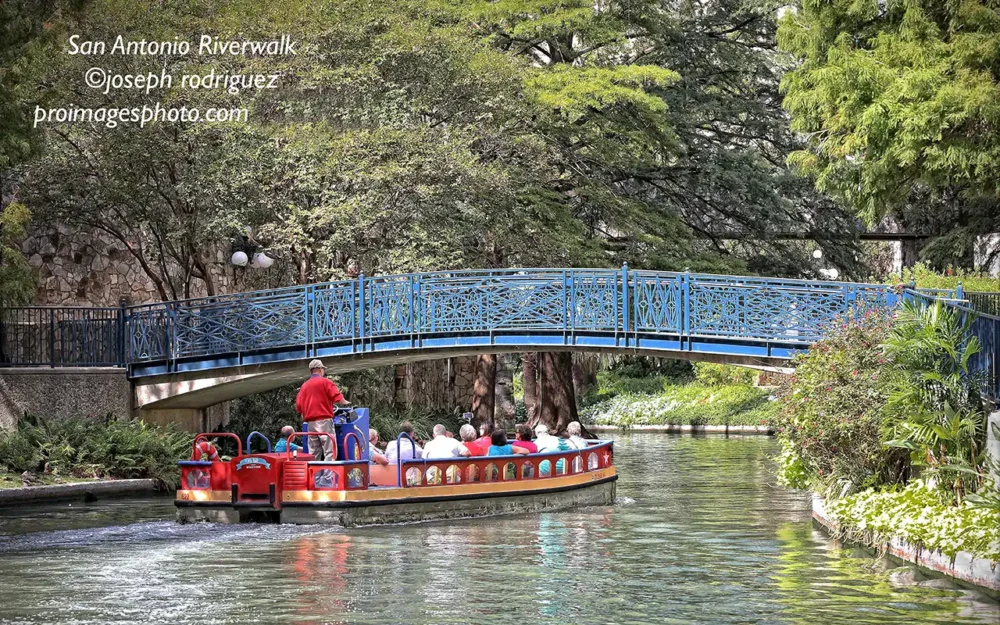
San Antonio Riverwalk River Barge Cruise with Convention attendees.

Convention photography services ofSan Antonio Riverwalk River Barge Cruise with Convention attendees. Joseph Rodriguez | proimagesphoto.com

  1. Consistency: A full gallery shows the photographer’s ability to maintain quality throughout an entire event, not just for a few highlight shots.
  2. Versatility: You’ll see how they handle different scenarios, from formal group shots to candid moments, and from bright outdoor settings to dimly lit indoor venues.
  3. Storytelling: A complete gallery demonstrates the photographer’s ability to tell the story of an event from start to finish.
  4. Technical Skills: You can assess their proficiency in various lighting conditions and their ability to capture clear, well-composed images consistently.
  5. Style: A full gallery gives you a better sense of the photographer’s overall style and whether it matches your vision.
  6. Problem-Solving: You might notice how they’ve creatively overcome challenging situations, which is a valuable skill for event photographers.
  7. Attention to Detail: Look for the small moments and details they’ve captured, which often make events memorable.

Remember, any photographer can cherry-pick their best shots for a portfolio. Seeing a complete event gallery gives you a true representation of what you can expect for your own event.

The San Antonio Advantage:

Choosing a local San Antonio photographer offers several unique advantages:

  1. Local Knowledge: They’ll be familiar with popular event venues in the city, from the historic Menger Hotel to the modern Tobin Center for the Performing Arts.
  2. Cultural Understanding: San Antonio has a rich cultural heritage, and local photographers will understand how to capture events that celebrate this diversity.
  3. Weather Preparedness: San Antonio’s climate can be unpredictable. Local photographers will know how to adapt to sudden weather changes, especially for outdoor events.
  4. Network: Established local photographers often have relationships with other vendors in the area, which can be beneficial if you need recommendations for other event services.
  5. Community Connection: By hiring a local photographer, you’re supporting the San Antonio community and local economy.

Making the Investment:

When you choose a photographer based on the quality of their work rather than their price, you’re making an investment in your memories. Consider the long-term value:

  1. High-quality photos.
  2. Professional Presentation: Whether you’re using the photos for business promotions, websites, newsletters, professional images make a strong impression.
  3. Stress Reduction: Knowing you have a skilled professional capturing your event allows you to relax and enjoy the moment.
  4. Unique Perspective: A talented photographer can capture moments and details you might miss during the busy event.

Conclusion:

In the vibrant city of San Antonio, the choice of a photographer should never be based solely on price. By prioritizing quality, experience, and the ability to capture the essence of your event, you’re ensuring that the of your meeting or event will be captured professionally.

Remember, the photographs will remain long after the event has ended and the costs have been forgotten.

When searching for the right event photographer in San Antonio, take the time to review full galleries, meet with potential candidates, and choose someone whose work resonates with your vision. Don’t be afraid to invest in quality – the results will be worth it.

In the end, the right photographer is not just a vendor but a storyteller. By choosing wisely, you’re not just hiring a service; you’re entrusting someone with the important task of preserving your memories.

So, as you plan your next convention, tradeshow or event in the beautiful city of San Antonio, remember that while budgets are important, the true value of professional photography lies in its ability to capture moments that money can’t buy. Invest wisely, choose quality, and let your memories shine through the lens of a skilled photographer.

Remember, in the world of event photography, you often get what you pay for. By focusing on quality and expertise rather than price alone, you’re making an investment that will pay dividends in beautiful, lasting memories for years to come.

By |February 9th, 2025|Categories: Convention Photography|0 Comments

Trade Show Booth: Why Professional Photography Matters

Your Trade Show Booth: Why Professional Photography Matters

Trade shows serve as pivotal platforms for exhibitors to showcase their brands, products, and services to a targeted audience, creating an invaluable opportunity for networking and lead generation. However, the experience doesn’t end when the event wraps up. One of the most critical aspects of maximizing your trade show investment is capturing stunning photographs of your booth. In this blog, we will explore why professional photography is essential and how it can elevate your brand visibility.

Photo of a tradeshow booth by EASAI taken at the Broward County Convention Center

EASAI Tradeshow booth.
photo: joseph rodriguez / proimagesphoto.com

The Trade Show Landscape

Trade shows are bustling with activity, featuring numerous exhibitors showcasing a variety of products and services. According to the Center for Exhibition Industry Research (CEIR), trade shows generate more leads than any other marketing channel, underscoring their importance in the marketing mix. However, amidst all this competition, standing out is crucial. This is where professional photography comes into play.

  1. First Impressions Matter

First impressions can make or break a potential business relationship. A well-executed booth can draw attendees in, but without high-quality images, that impact can be lost. Professional photos highlight your booth’s design, layout, and unique features, capturing the attention of potential customers long after the event has ended.

  • Visual Appeal: A professionally shot image can encapsulate the essence of your booth, showcasing its aesthetic appeal. This is particularly important in industries where design and creativity are key selling points.
  • Brand Representation: High-quality images reflect the quality of your brand. If your booth looks polished and professional in photographs, potential clients will likely perceive your products and services similarly.
  1. Marketing Material Goldmine

Trade show photos are not just for immediate use; they can be repurposed across various marketing channels, including social media, websites, and brochures. They serve as powerful visual content that can enhance your brand image and attract new leads.

  • Social Media Engagement: Visual content is more likely to be shared on social media platforms. High-quality photos can enhance your posts, making them more engaging and shareable.
  • Website Content: Use these images on your website to create an engaging gallery or in case studies. They can illustrate your participation in industry events, showcasing your commitment to staying relevant in the market.
  1. Showcasing Engagement

Photographs taken during the event can capture interactions with attendees, demonstrating your booth’s popularity and engagement level. This not only builds credibility but also showcases your brand as a dynamic player in the industry.

  • Real-Time Interaction: Capturing candid moments of your team engaging with attendees can convey a sense of approachability. It shows potential clients that you value their interest and are willing to interact.
  • Event Highlights: Documenting key moments, such as product demonstrations or keynote speeches, allows you to tell a story about your trade show experience. You can use these images to create compelling narratives that resonate with your audience.
  1. Documentation for Future Events

Having a visual record of your booth helps in planning future trade shows. You can analyze what worked well and what didn’t, allowing for continuous improvement in your exhibition strategy.

  • Learning Tool: Reviewing photos of your booth can provide insights into design elements that attracted attention or areas that may need improvement. This reflection can inform your strategy for future events.
  • Benchmarking: Keeping a visual archive allows you to benchmark your trade show presence over the years. You can track your progress and adapt your approach based on past experiences.
  1. Professional Quality Matters

While smartphones can capture decent images, nothing beats the quality of professional photography. With skilled teams across the United States, including ones based at the Broward County Convention Center in Fort Lauderdale, you can ensure that your booth is captured in the best light—literally and figuratively!

  • Expertise in Lighting and Composition: Professional photographers understand how to use lighting and angles to create striking images. They know how to make your booth look its best, even in challenging lighting conditions that can often be found at trade shows.
  • Post-Production: Professional photographers also offer post-production services. This means that your images will be edited for color correction, cropping, and any necessary enhancements, ensuring that you receive only the highest quality images.

How to Choose a Professional Photographer

Now that we’ve established the importance of professional photography for trade shows, the next step is finding the right photographer for your needs. Here are some tips to consider when selecting a professional:

  1. Portfolio ReviewExhibitor & Tradeshow Photography

Start by reviewing the photographer’s portfolio. Look for examples of trade show photography that demonstrate their ability to capture booths effectively. Pay attention to their style, composition, and use of lighting.

Side view of a tradeshow booth in Fort Lauderdale, FL

Exhibitor Booth photography by proimagesphoto.com

  1. Experience in Your Industry

Choosing a photographer with experience in your industry can be beneficial. They will better understand your brand’s messaging and how to visually convey it.

  1. Client Testimonials

Seek out testimonials or case studies from previous clients. This can give you insight into the photographer’s

Conclusion

In the fast-paced environment of trade shows, where first impressions can lead to lasting business relationships, professional photography serves as a crucial component of your overall strategy. High-quality images not only capture the essence of your booth but also transform your trade show experience into a powerful marketing tool. By showcasing engaging visuals, you can enhance brand visibility, generate leads, and document your journey for future reference.

The benefits of investing in professional photography extend far beyond the event itself; they create a lasting legacy that can be leveraged across various marketing channels. From social media posts to website galleries, these images work tirelessly to promote your brand long after the show concludes.

As you prepare for your next trade show, consider partnering with professional photographers who can bring your vision to life. Their expertise will ensure that your booth is portrayed in the best possible light, allowing your brand to stand out in a crowded marketplace. Remember, in the world of trade shows, a picture is worth a thousand words—and it could lead to countless opportunities.

By prioritizing professional photography, you’re not just capturing moments; you’re investing in your brand’s future. So, get ready to make your trade show experience unforgettable with striking visuals that engage your audience and let your brand shine!

#TradeShowPhotography #ExhibitorBooth #ProfessionalPhotography #BrandVisibility #EventMarketing #BrowardCountyConventionCenter #FortLauderdale #CaptureTheMoment #MarketingStrategy #LeadGeneration

By |February 7th, 2025|Categories: Convention Photography|0 Comments

Headshot Stations for Lead Generation at Conventions and Tradeshows

Attendees getting professional headshots at a tradeshow. Lead Generation is created by capturing names and emails.

The Power of Headshot Photography Stations for Lead Generation at Trade Shows

In the dynamic world of trade shows, exhibitors are continually seeking innovative ways to stand out and engage potential clients. One highly effective method is the use of headshot photography stations. These stations not only attract visitors but also serve as a powerful tool for lead generation. In this blog, we’ll explore how headshot photography stations can transform your trade show presence and why Professional Images Photography is a leader in providing top-notch services. Additionally, we’ll discuss key points to consider when selecting a provider for this specialized service.

The Rise of Headshot Photography Stations

Trade shows are bustling environments where businesses aim to capture attendee attention. Traditional methods, like distributing brochures, often struggle to make a lasting impact. This is where headshot photography stations come into play. They offer a unique, interactive experience that draws people to your booth, leaving them with something tangible – a professional headshot.

Why Headshots?

Personal Branding: In today’s digital age, having a professional headshot is essential. Attendees are eager to update their LinkedIn profiles or websites, making a free headshot an enticing offer.

Attendees happy and in line to get their professional headshot for Vision Source shoot at the National Harbor, Maryland.

Attendees happy and in line to get their professional headshot for Vision Source shoot at the National Harbor, Maryland.

Memorable Experience: A headshot station provides a memorable experience. It’s about the interaction and service, making attendees more likely to remember your brand.

Data Collection: To receive their headshots, attendees typically provide contact information. This seamless exchange enables effective lead follow-up after the event.

Professional Images Photography: Leading the Way

When it comes to executing successful headshot photography stations, Professional Images Photography stands out as an industry leader. With years of experience and a proven track record, they are the go-to provider for conventions and trade shows seeking high-level service.

What Sets Professional Images Photography Apart?

Expertise and Experience: They have extensive experience in the industry, ensuring seamless integration into your booth setup.

High-Quality Equipment: Using state-of-the-art photography equipment ensures every headshot is of the highest quality, reflecting well on your brand.

Efficient Workflow: Their team efficiently manages large volumes of attendees, providing quick turnaround times without long waits.

Brand Customization: They offer options to customize backdrops and branding, allowing your company’s identity to shine through.

Comprehensive Service: From setup to teardown, they handle all aspects of the headshot station, letting you focus on engaging with attendees.

Key Points to Consider When Choosing a Headshot Photography Service

Selecting the right provider for headshot photography at your event is crucial. Here are some key considerations:

Portfolio and References: Review their portfolio and ask for references to understand their experience and work quality.

Customization Options: Ensure the provider offers customization for branding and backdrops to reinforce your brand identity.

Equipment Quality: Inquire about the equipment they use. High-quality cameras and lighting are essential for professional-grade headshots.

Scalability and Efficiency: Consider the provider’s ability to handle the expected attendee volume efficiently.

Professionalism and Interaction: Photographers interact with potential clients, so professionalism and personable service are important.

Data Management: Ensure the provider has a secure system for collecting and managing attendee data for compliance and effective follow-up.

Maximizing the Impact of Headshot Stations

Female waving at photographer before she gets her professional headshot in a Tradeshow booth by proimagesphoto.com

To fully leverage the potential of headshot photography stations, consider these strategies:

Pre-Event Promotion: Promote the headshot station in your pre-event marketing to increase booth traffic and ensure a steady flow of attendees.

Integration with Social Media: Encourage attendees to share their headshots on social media with a brand-specific hashtag to increase online visibility and engagement.

Follow-Up: Use the collected contact information to follow up with personalized messages. Including their headshot can serve as a reminder of their positive experience.

Feedback Collection: Gather feedback from attendees about their experience to gain valuable insights for future improvements.

By optimizing your trade show presence with these strategies, you can enhance your visibility, improve engagement, and ensure your brand stands out in search engine results, attracting more attendees.

Conclusion

In the competitive world of trade shows, businesses must find ways to stand out and capture attention. Headshot photography stations offer a unique and engaging solution, attracting attendees and generating high-quality leads. For those seeking top-notch service, Professional Images Photography is a leading provider, ensuring a seamless and professional experience that enhances your brand.

Their expertise and attention to detail make them the preferred choice for conventions, conferences, and trade shows. By focusing on essential factors like customization, equipment quality, and efficient workflows, you can maximize the effectiveness of headshot stations.

Investing in a headshot photography station boosts your event presence and positions your brand as an innovator in customer engagement. This strategy not only generates immediate leads but also builds long-term relationships with potential clients. By optimizing your trade show efforts with these strategies, you increase visibility and engagement, ensuring your brand stands out in search engine results and attracts more attendees.

By |February 3rd, 2025|Categories: Convention Photography|0 Comments
Go to Top