
Healthcare meetings have rules a general event photographer never trains for
Medical conference photography looks like convention photography from the back of the ballroom, and then a compliance officer asks for the photographer’s consent process and the difference becomes obvious. Healthcare meetings run under rules that a corporate photographer never trains for: patient privacy, pharma spending disclosure, unpublished research on poster boards, and rooms where the camera is simply not allowed. After photographing medical, optometry and pharmaceutical meetings for well over a decade, here is what actually changes.
Consent is a process, not a sign at the door
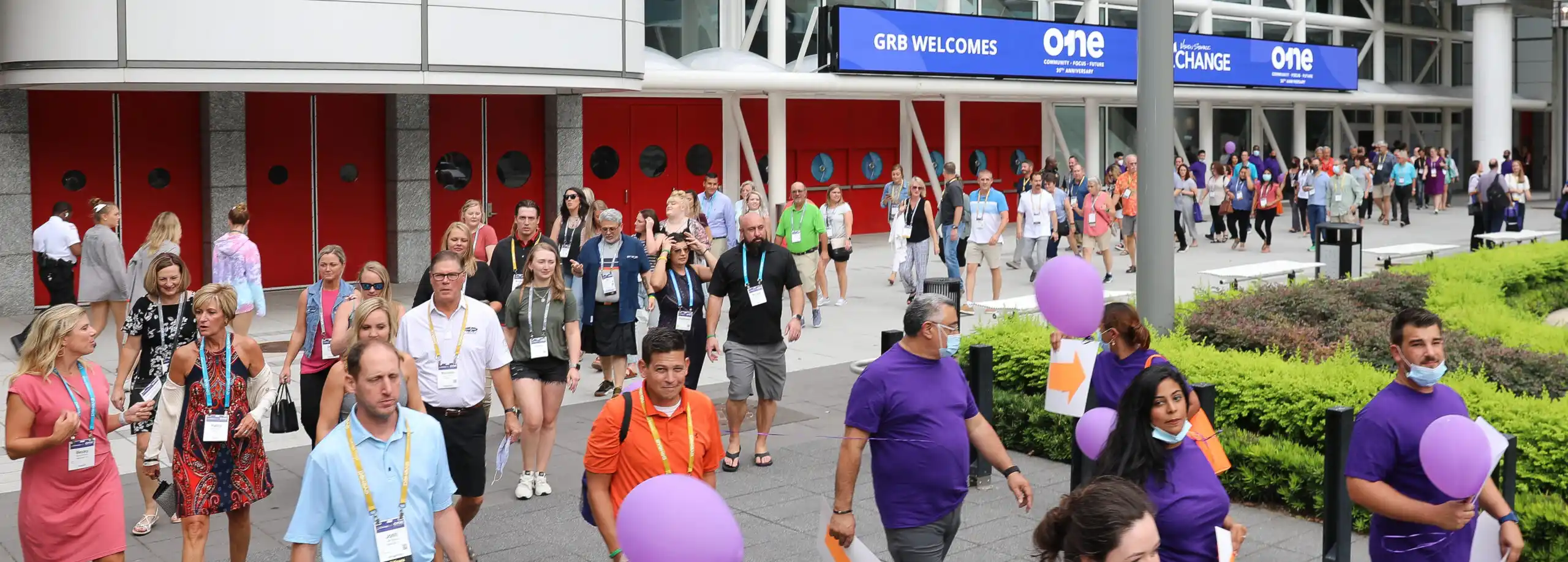
First and foremost, most medical meetings post a notice at registration that attendance implies consent to be photographed. That covers the general session. It does not cover a physician who declines, a patient advocate on a panel, or a clinical case image on a speaker’s slide. On a healthcare program the photographer needs to know before the session which speakers and which slides are off limits, and the run of show should carry that information.
Furthermore, some associations issue lanyards or badge stickers that mark attendees who do not want to be photographed. A photographer who is not looking for those markers will put a physician in a marketing photo who specifically opted out. We check for them on every healthcare program and we ask at the site visit whether the association uses them.
As a result, delivery on a medical program includes a flagged folder: frames where a slide, a badge or a face may need a second look from the meeting’s compliance contact before anything is published. That folder is the difference between a photographer who has worked healthcare and one who has not.
No photography zones and why they exist
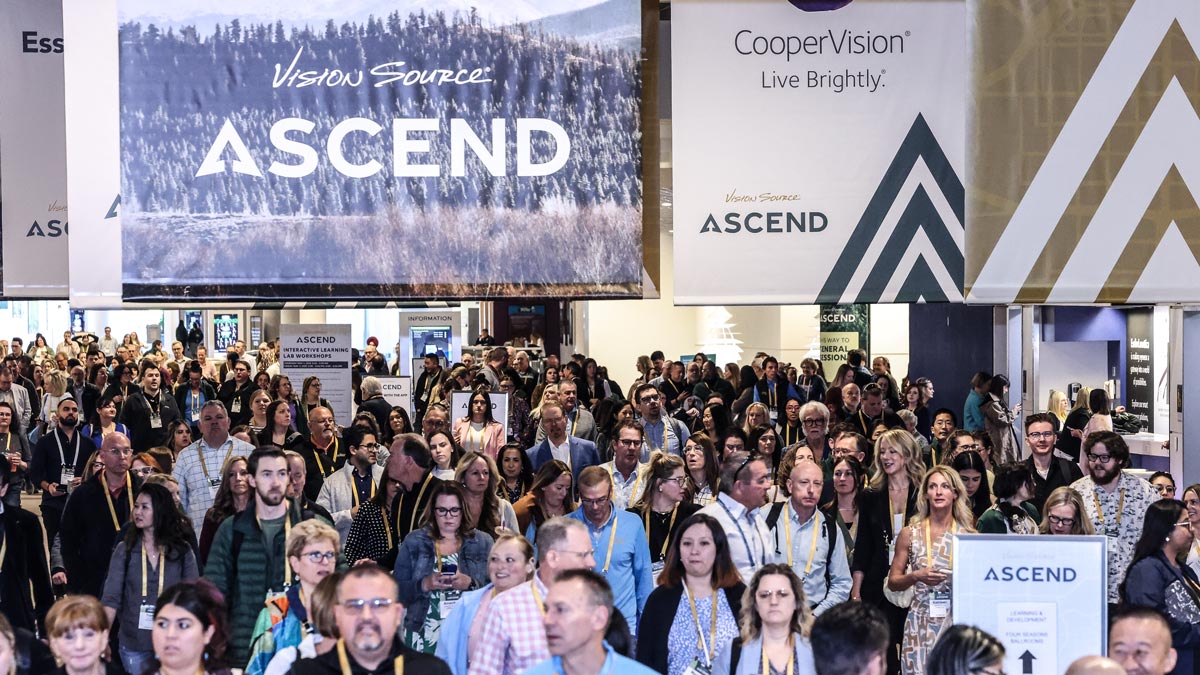
Poster halls, certain breakout rooms and any session presenting unpublished data are commonly closed to photography, because a photo of a poster is a leak of a study before its journal date. The photographer needs a floor plan with those rooms marked and a contact who can answer a question in thirty seconds when a session changes rooms.
Equally important, exhibit halls at pharma heavy meetings often restrict photography of competitor booths. A device company will happily have its own booth shot, and it will not be happy to find its booth in the background of a competitor’s photo. We shoot medical exhibit floors tight, one booth at a time, and we clear the wide shots with the show organizer.
That said, none of this makes the meeting harder to photograph well. It makes the shot list more precise, and a precise shot list produces a better gallery.
Poster sessions, shot the right way
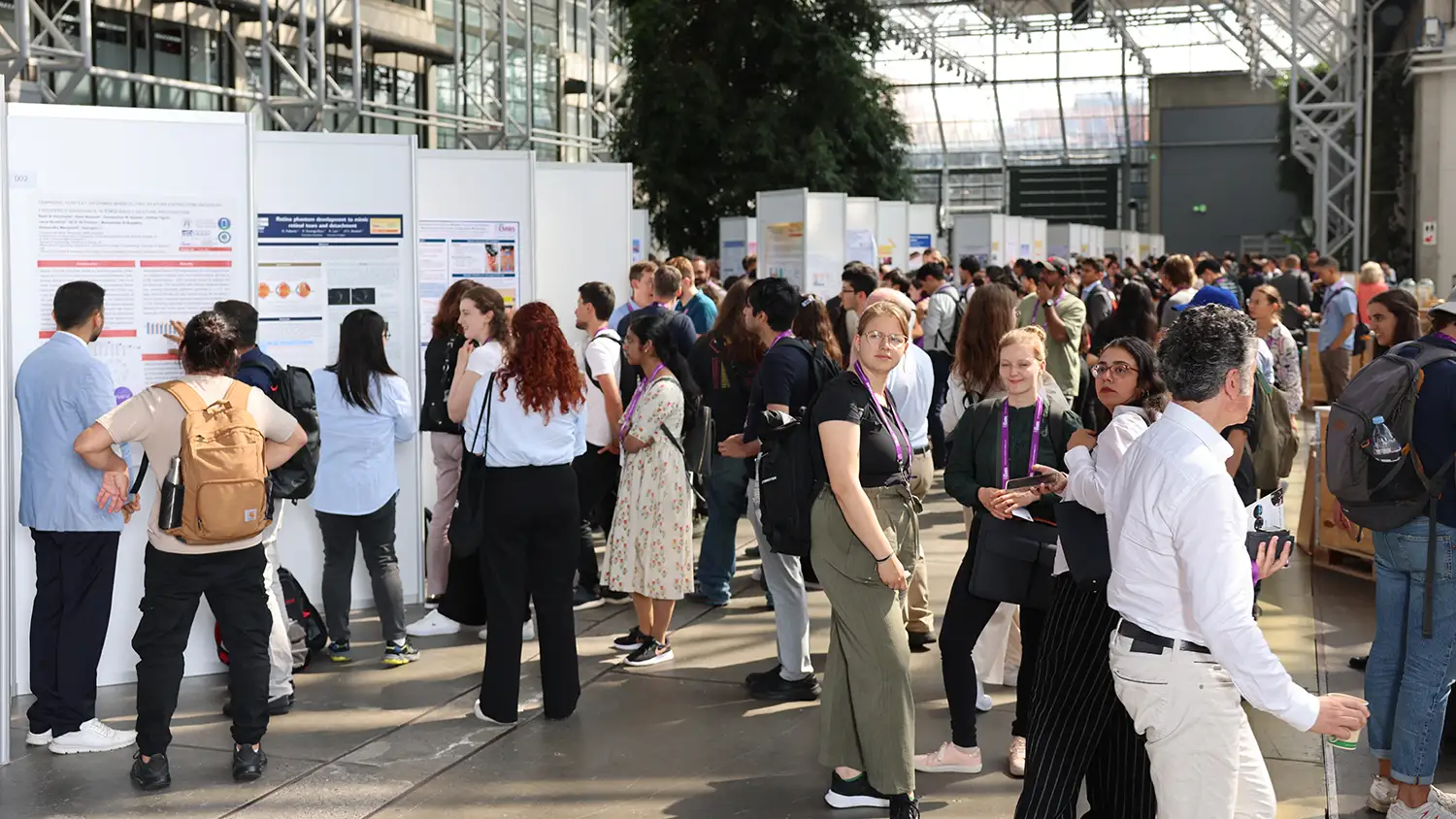
When poster sessions are open to photography, they are the most useful frames on the program for the association’s marketing, because they show research happening rather than being lectured about. The frame is the author and a reader in conversation, with the poster soft in the background and its title illegible. That is the version that goes out. The frame where the poster is readable stays in the flagged folder.
Moreover, poster authors are often the youngest attendees, the residents and fellows the association most wants to recruit for next year. A photo of them presenting, delivered the same day, is the recruiting tool every membership director asks for and rarely gets.
Hands on workshops are the hero content
Injectable demos, ultrasound labs, suture stations, cadaver labs and device training rooms are where medical conference photography earns its keep. Attendees are focused, the lighting is practical and bright, and the frames show clinicians doing something rather than watching something. Those photos carry the education story of the meeting in one image.
Additionally, workshops need the most careful consent handling on the program. Volunteer models and any live demonstration subject need documented consent before the camera comes out, and cadaver labs are generally closed to photography entirely. We confirm each workshop’s status with the medical education director before the first morning.
Beyond that, shoot workshops from the instructor’s side where possible, so the frame shows the technique and the attendee’s attention rather than the back of a head. That angle needs the room to be planned for it, which is a conversation for the site visit.


Sponsors, pharma and the compliance review
Pharmaceutical and device sponsors at healthcare meetings operate under spending disclosure rules, which means their marketing teams document everything. The sponsor photos on a medical program go through a compliance review before they are used, so they need to be clean: logo legible, no clinical claims visible on signage in the frame, no attendee identifiable in a way that implies endorsement without consent.
In addition, the sponsor recap on a medical program is often the only proof a pharma marketer can show internally, because so much of the meeting cannot be photographed. Our post on sponsor recap photos that get sponsors to renew covers the eight frames, and on a healthcare program the same eight are shot with the compliance reviewer in mind.
Similarly, a sponsored headshot station works at medical meetings the way it does everywhere else, with one difference: the consent for the headshot is explicit and individual, because the attendee is asking for the photo, which makes it the cleanest sponsor activation a pharma company can fund.


What the planner should put in the RFP
Ask for a photographer who has worked healthcare meetings and can describe the consent process without being prompted. Ask for a flagged folder in the delivery. Ask for a certificate of insurance naming the venue and the association, and confirm that every camera records to dual cards, because a workshop cannot be reshot. Ask for same day delivery, because your society’s communications team is posting during the meeting and your sponsors are posting the next morning.
Finally, put the medical education director, the compliance contact and the photographer in one short call the week before the meeting. Twenty minutes on that call prevents every awkward conversation on the floor.
Where we have worked healthcare meetings
We have photographed vision care and optometry programs at the George R. Brown in Houston and at the Gaylord Palms in Orlando, a medical conference at the Moscone Center in San Francisco, and healthcare meetings at the San Diego Convention Center and across Texas. Our medical conference photography page covers the service in more depth, and our convention photography services page lays out what a full program includes.

FAQ: Medical and healthcare conference photography
Do I need attendee consent to photograph a medical conference?
A notice at registration usually covers general sessions, but it does not cover speakers or attendees who opt out, patient advocates, or clinical images on slides. A healthcare photographer works from a run of show that marks those, checks for opt out badge markers, and delivers a flagged folder for compliance review.
Can you photograph poster sessions at a medical conference?
Only when the association allows it, because a readable poster is a leak of unpublished research. When allowed, the usable frame is the author in conversation with a reader, with the poster soft and its title illegible.
What should a pharma sponsor expect from medical conference photos?
Clean frames that pass compliance review: logo legible, no clinical claims on signage in the frame, no attendee implying endorsement without consent, delivered the same day to a named sponsor contact.
Are hands on workshops and labs open to photography?
It depends on the workshop. Injectable demos and device training rooms are usually open with documented consent from any live subject. Cadaver labs are generally closed. Each workshop’s status should be confirmed with the medical education director before the meeting.
Does Professional Images Photography cover medical meetings outside Texas?
Yes. We have photographed healthcare, optometry and pharmaceutical meetings in Houston, Orlando, San Francisco, San Diego and across Texas, and we cover medical conferences nationwide.
Professional Images Photography covers healthcare meetings in every city your society rotates to
Medical, optometry and pharmaceutical conference photography in San Antonio, Austin, Dallas, Houston, San Diego, Phoenix, Chicago, Orlando and Las Vegas, delivered the same day with a compliance ready flagged folder. See where we work.