
The Company Holiday Party Photos Nobody Uses, and the Eight That Get Posted
Here is how to get the eight that get posted.
Company holiday party photography produces more unusable frames than any other corporate event we shoot. The photographer delivers six hundred images, the marketing team opens the folder in January, and maybe eight of them ever get posted.
The rest are too dark, too crowded, or show someone holding a drink that legal would rather not see on the careers page. Knowing which eight you actually need changes how the night gets shot.
Planning a December party in San Antonio, Austin or Houston? Check your holiday date with us.
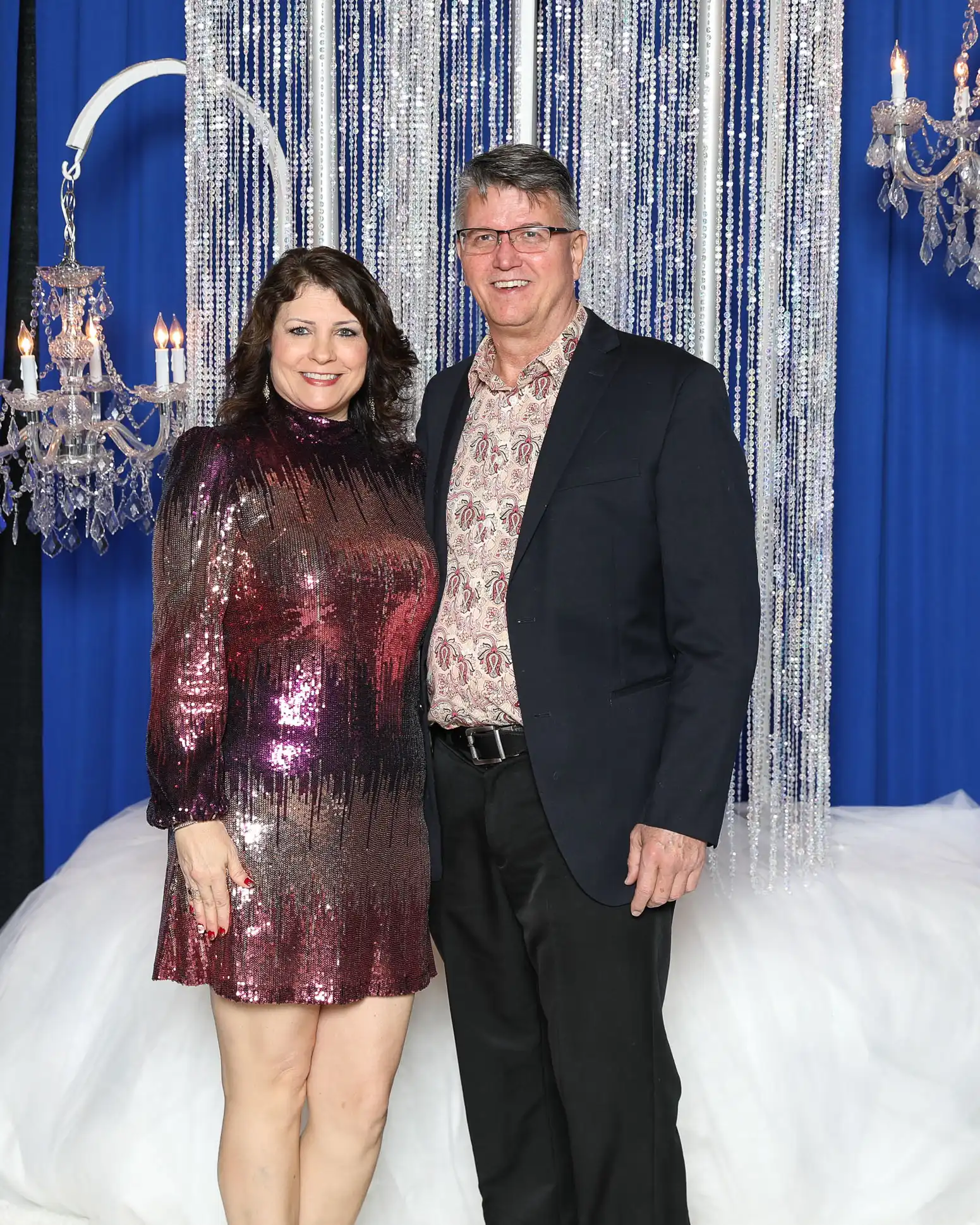
Why most holiday party photos never leave the folder
A holiday party is not a conference. There is no stage, no program, and no obvious moment the photographer is there to document. Without a shot list the camera defaults to the only thing that looks like an event, which is the room.
Room photos are the ones nobody uses. Marketing cannot post a picture of a ballroom, because a ballroom is not a company. What gets used is faces, and specifically the faces of people who look like they want to be there.
The second failure is volume without variety. Six hundred frames of the same twelve people near the bar is not coverage, it is a loop. A photographer who works the whole room comes back with fewer images and more usable ones.
The room is darker than the room looks
Your eye is a far better low light instrument than any camera, which is why the ballroom feels warm and inviting while the photos come back muddy. Holiday venues are lit for atmosphere, usually somewhere between a restaurant and a nightclub. That is a hard room.
Bare flash pointed straight at a table solves the exposure and ruins the picture. You get shiny foreheads, black backgrounds and a look that says cheap. The room you paid to decorate disappears behind the subject.
The working answer is bounced or off camera light that keeps the venue visible behind the people. It takes longer to set up and it is the difference between photos you post and photos you archive.
When you tour the venue, look up. A low dark ceiling is the single biggest predictor of difficult photos.

The drink in the frame problem
The most common reason a good photo gets killed has nothing to do with the photography. Someone is holding a cocktail, and the image is now unusable for recruiting, for the intranet, and for anything a client might see.
Nobody tells the photographer this, because it seems obvious once it is said and invisible before. A shooter who has not been briefed will fill a card with warm, genuine, unusable moments.
Brief it before doors open. Ask for a deliberate pass of drink free frames, and let the candids happen naturally after. You will still get the party, and you will also get a folder your communications team can open in February.
“After nearly forty years of holiday parties, the photo a company actually posts is almost never the one that was hardest to take. It is the one somebody asked for before the doors opened.”
Joseph Rodriguez Jr., corporate event photographer since 1987
The eight frames that actually get posted
Every one of these earns its place by being useful later, not by being pretty on the night. Hand this list to your corporate holiday party photographer and the folder changes completely.
- The arrival. Shot in the first forty minutes, while people are fresh, coats are off and nobody has settled into a corner. This is where the genuine smiles live.
- The recognition moment. Someone receiving an award or a service pin, shot on the face of the person receiving it, not the back of the person presenting.
- The lit wide. One frame that shows the room, the decor and the scale, exposed so the venue reads. You paid for the room. Photograph it once, properly, then move on.
- Small group candids. Three or four people mid laugh, hands empty, shot at eye level rather than from above.
- The toast, from the floor. Shot from among the crowd looking toward the speaker, so the audience is in frame. A toast photographed from behind the podium shows nobody.
- Cross department pairings. The warehouse lead talking to the CFO. These are the photos internal communications cannot fake and will use for two years.
- Details with branding. Menu cards, signage, a step and repeat, a decorated table. Quiet frames that carry the company name without a single face.
- The deliberate group photo, taken early. See the next section, because this is the one everyone gets wrong.
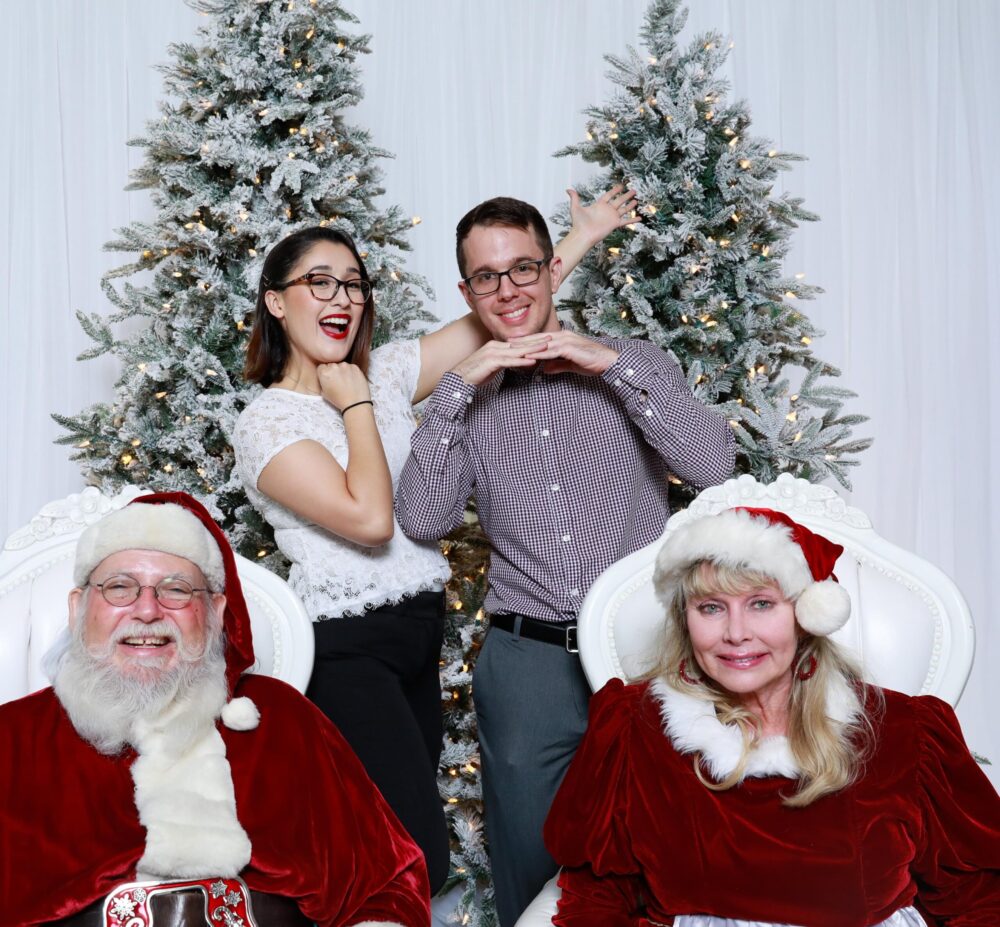
Shoot the group photo in the first hour
The group photo is almost always attempted too late. It gets pushed to the end of the night, after dinner, after the bar has been open three hours, when a third of the room has already left.
Take it early. People look better, more of them are present, and you are not trying to herd two hundred adults who have stopped listening. Announce it in advance so nobody resents the interruption.
Find your position before the party starts. A staircase, a balcony or a riser gets everyone visible in one frame, and a photographer who has scouted the room will already know where that is.
Where a holiday party photo station fits
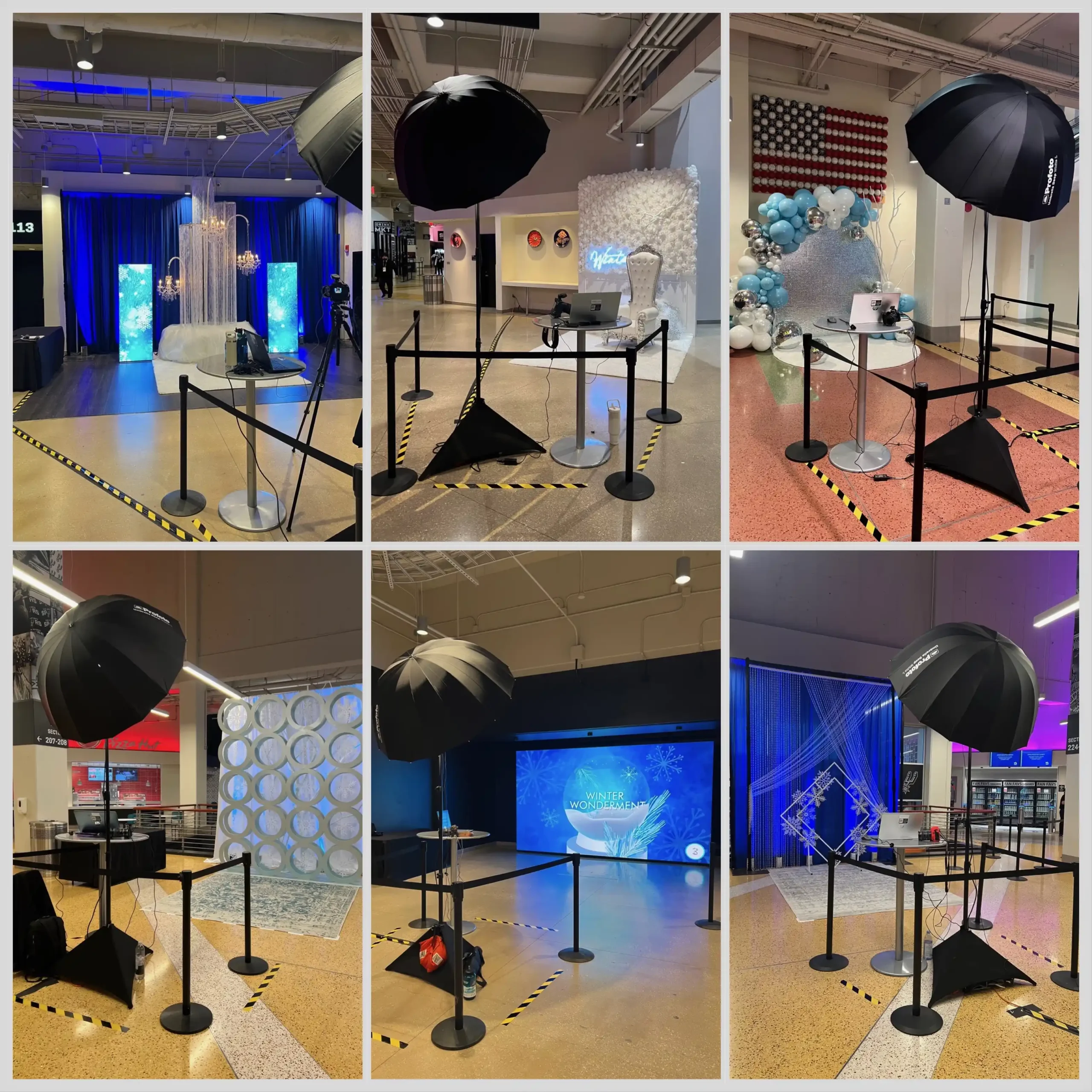
A photo station and a roaming photographer do two different jobs, and the parties that get the most out of their photos usually have both. Many of the strongest company holiday party photography plans we’ve seen use both: the station keeps guests happy and sharing, while the roaming photographer captures the moments leadership will actually use.
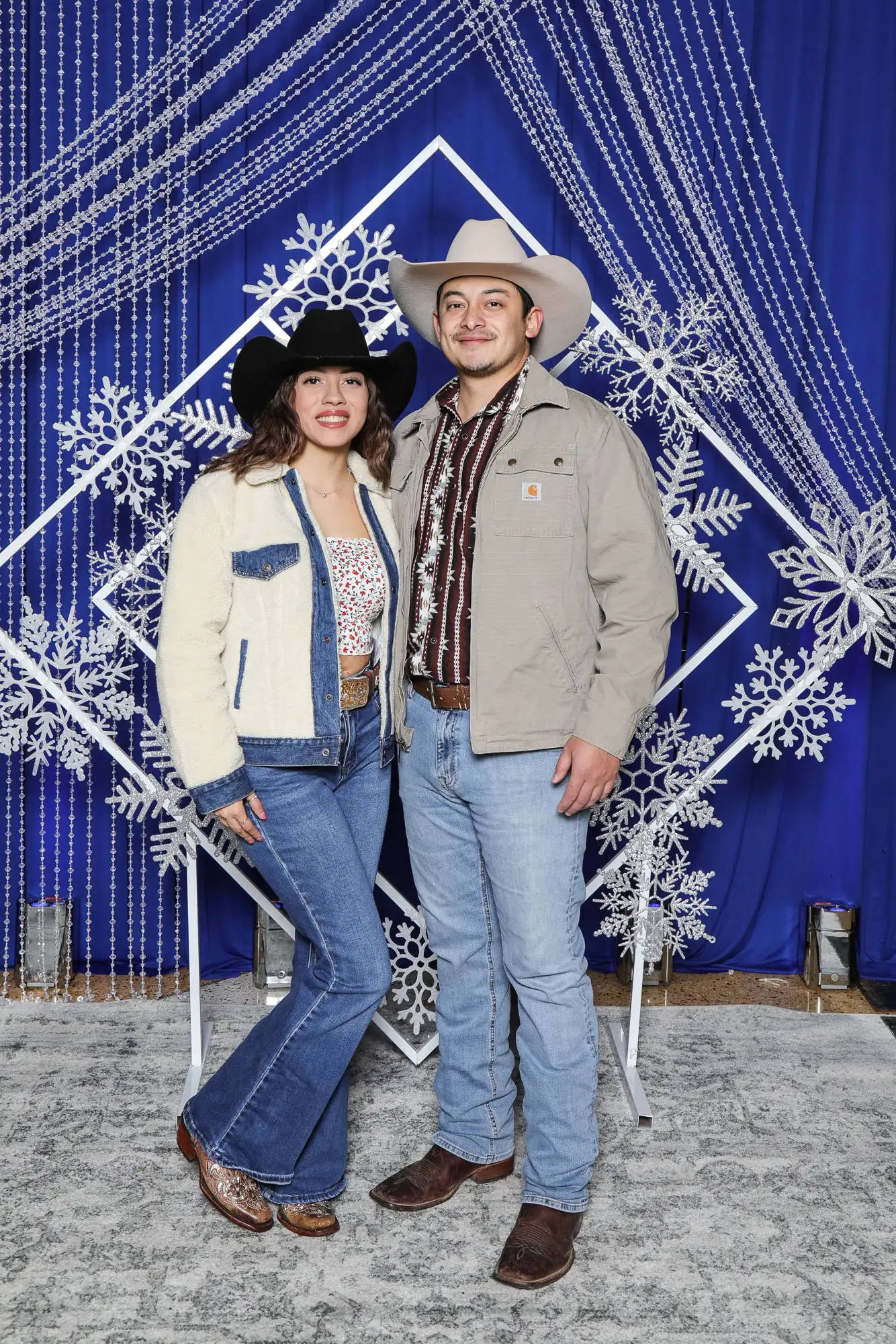
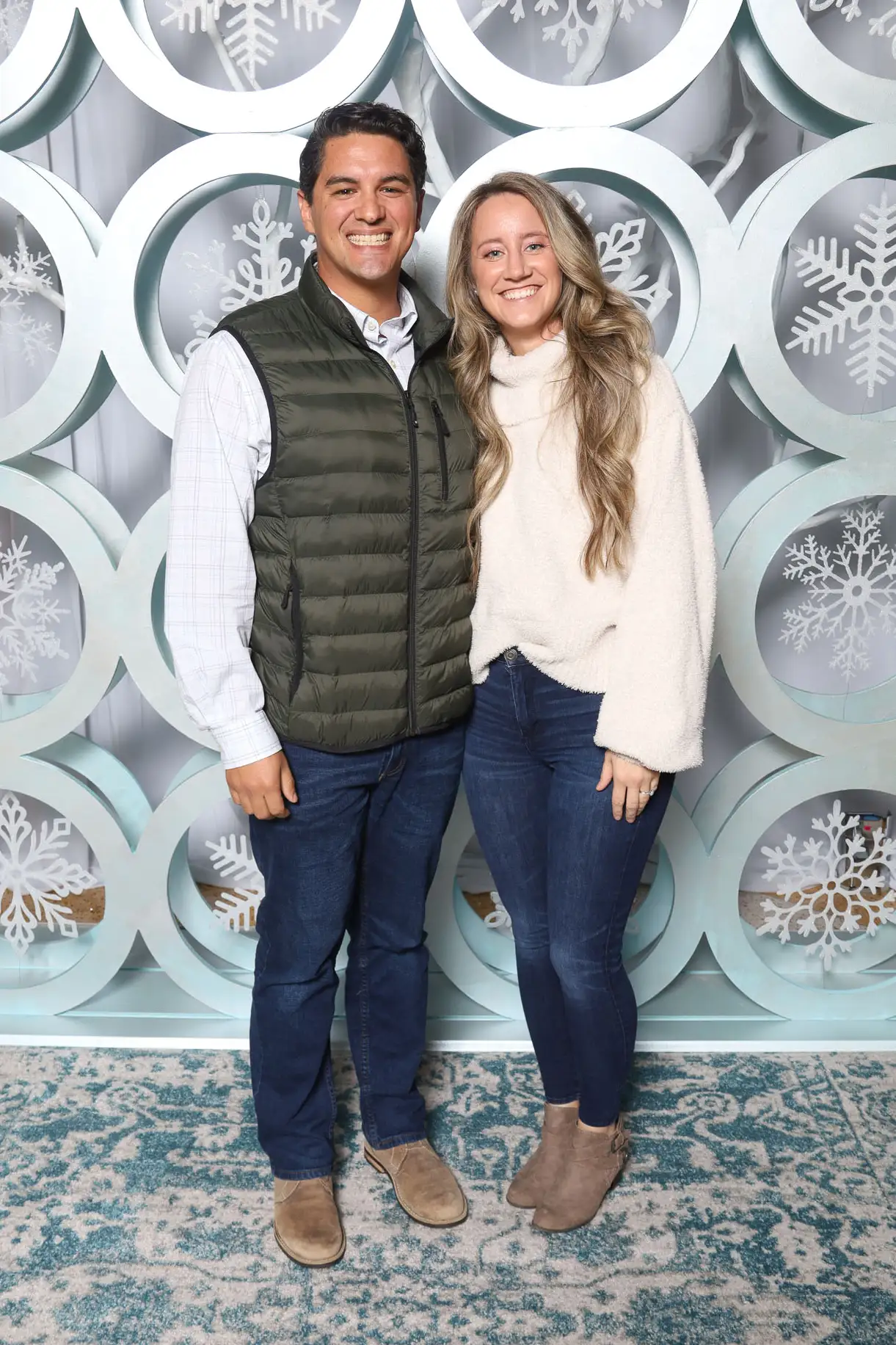
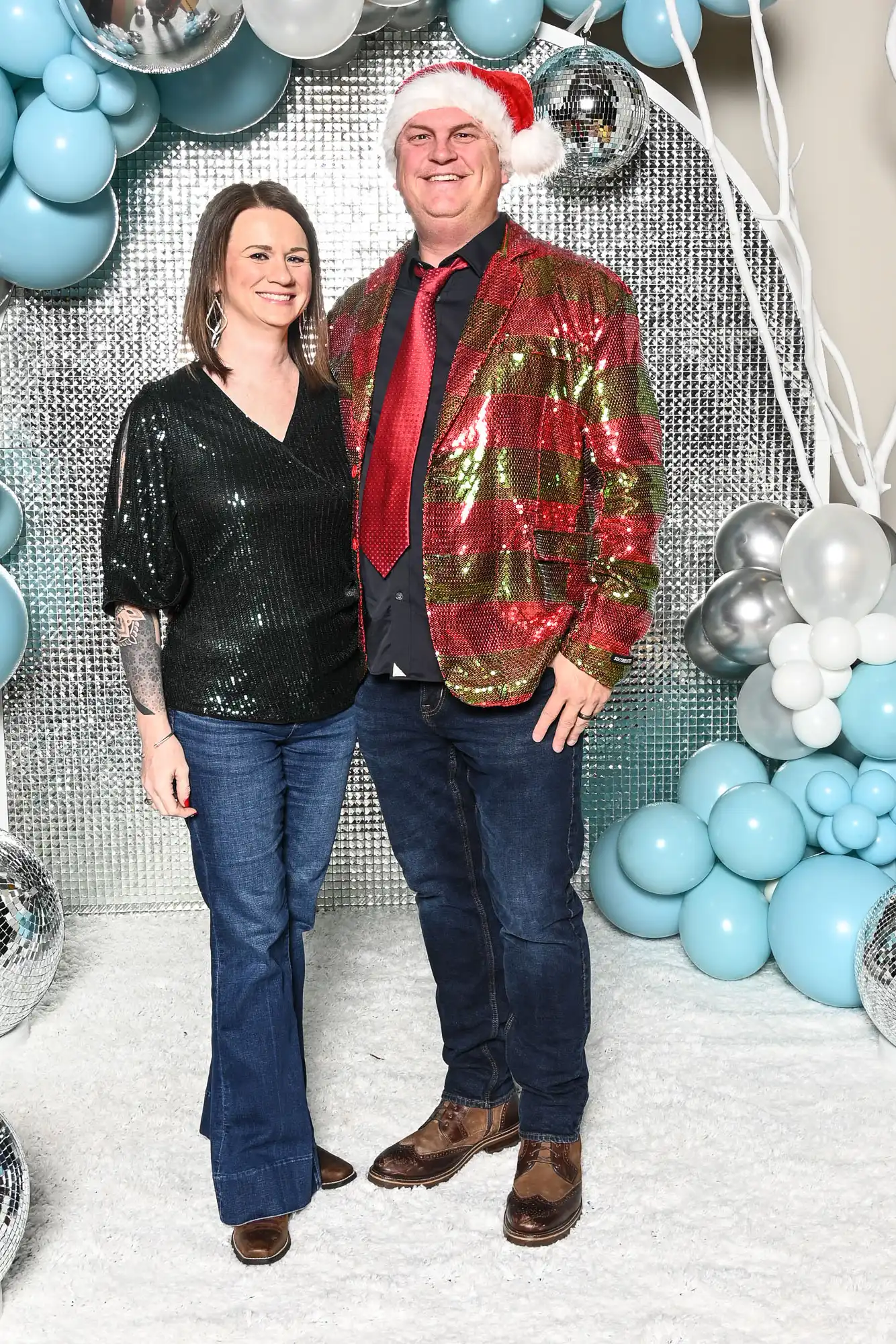
The station is for your guests. Couples, teams and friends step in front of a lit backdrop, and the portrait lands on their phone by text before they reach the bar, or comes off the printer as a keepsake. Those are the holiday party photos employees post themselves, which is employer brand content nobody on your team had to write a caption for.
The roaming photographer is for your company. That is where the eight frames above come from: the recognition moments, the toast and the cross department conversations no backdrop will ever produce.
For a large party, plan stations around the line, not the headcount. When guests see a long wait they skip it, and the most shareable content of the night walks away with them.
What to tell your photographer before doors open
A fifteen minute conversation before the event is worth more than any amount of editing afterward. These are the things a photographer cannot guess and will not ask for unless prompted.
- Who must appear in photos. Executives, award winners, retirees, anyone celebrating a milestone. Give names and, if you can, a face.
- Whether drinks can appear in frame, and whether that applies to all photos or only the ones headed for public channels.
- Where the images are going. Recruiting, intranet, social, a year end video. Each destination wants a different aspect ratio, and it is far cheaper to shoot for it than to crop for it.
- Anyone who should not be photographed. There is usually at least one person, and they will not volunteer it.
- What time the program happens. Toasts, awards and any speech. A photographer standing in the wrong place when the CEO starts talking has missed the most valuable frame of the night.
- When you need the images. Same week delivery for a year end recap is a different job from a two week turnaround.
FAQ: Company Holiday Party Photography
How many hours of coverage does a company holiday party need?
Most parties are well covered in three to four hours, starting thirty minutes before guests arrive so the room is photographed empty and lit. Parties over three hundred people, or events with a full awards program, usually justify a second photographer rather than more hours.
Do we need a photographer if we already have a photo station?
They do different jobs. A station gives every guest a portrait to take home or share, and those are the photos employees post themselves. A roaming photographer covers the room, the program and the people, the frames your marketing team reaches for all year. If the budget allows only one, decide which matters more this year: what guests take home, or what your company can use next year.
How far in advance should we book a holiday party photographer?
Book by early November for a December date. The first two weeks of December, especially Thursdays and Fridays, book out first and often by early fall. Company holiday party photography is one of the busiest bookings of the year, so locking in your date early keeps your options open.
Can we get the photos before the end of the year?
Yes, if you ask for it in the agreement. Same week delivery is normal for holiday work, and a small selection of edited highlights can be delivered the next morning when you need something for a year end post or an internal recap.
What should employees be told about photography at the party?
A short line in the invitation that a photographer will be present and images may be used internally and in marketing. It sets expectations, it reduces awkwardness on the night, and it saves the conversation about whether a particular photo can be used.
Which company holiday party photos work for recruiting and LinkedIn?
Small groups with empty hands, recognition moments, cross department conversations and one well lit wide of the room. Station portraits do well too, because employees share them on their own. Ask your photographer to flag a short drink free selection at delivery so your recruiting team is not hunting through six hundred frames.
Your party is one night. The photos work all year.
Professional Images Photography has covered corporate events since 1987, and we have photographed enough December parties to know which frames a communications team opens in March. Good company holiday party photography keeps paying off long after the decorations come down. This December we are booking company holiday parties in San Antonio, Austin and Houston.